
Gravity
Stereo supervision from 2010 to delivery, across Framestore's stereo VFX and the Prime Focus conversion.

What we do · 01
Stereo supervision of 2D-to-3D conversion at feature scale.
Stereo 3D conversion supervision for feature films: the depth plan and the depth script before the cut locks, vendor direction across thousands of shots, then the depth grade.
Who this is for
Studio and production-company decision makers with a committed 3D release and no second take.
A studio commits to a 3D release but native shooting isn’t an option? Post conversion, when done right, can create stunning an nuanced 3D. The conversion has to be right, on schedule, and it cannot hold up the shoot or the DI. That is the workflow we are brought in to own.
We design the stereo before the cut is locked. On Gravity that meant joining Alfonso Cuarón in 2010, three years before release, to plan how depth would serve the story: a rhythm that rose and fell with the debris threat, a moment of calm to relax the audience before the jump. On Fantastic Beasts: The Crimes of Grindelwald the depth script tracked which character held power in a scene and biased London towards the foreground for dialogue while the French Ministry was pushed back to feel imposing. None of that is a technical brief. It is the film's depth, designed.
Then we direct the conversion. Across a feature that can mean several vendors, 2,000 shots and thousands of artists, with the edit still moving. We review every shot in the context of the surrounding cut, not as an isolated turnover, and we give the notes that keep faces round and environments full. Depth is easy to add. Volume is what the audience feels.
Native or converted is not the question. By 2016, of the seven films that had won the International 3D Society's best feature award, four were conversions. What matters is whether the stereo contributes to the experience, and that is decided by the choices made about it. We have delivered both, and hybrids of the two.
The Hollywood studios brought us back for nine features over nine years, with eight different directors, from Jack the Giant Slayer to No Time to Die. On each of them Chris Parks was the primary 3D creative, and Vision3 supplied the pipeline, the team and the reviews that made those decisions executable.
How we work
Before the shoot, from the script and the director's intent. How the depth builds and releases across the film, where it is generous and where it is deliberately flat.
The plan worked down to scene and shot. Character scale, foreground bias for dialogue, background push for scale, all decided before the vendors start.
Two thousand shots, each reviewed up to ten times, always in the context of the cut. Notes go back the same day; the film stays conformed.
After picture lock, the stereo counterpart to the colour grade. Every shot's position in depth set and balanced across the cut before the film goes to DI.
In their words
Proving projects
Stereo supervision from 2010 to delivery, across Framestore's stereo VFX and the Prime Focus conversion.

Conversion supervision for Warner Bros; Lumiere award for 3D live action.

Around 2,000 shots reviewed up to ten times each; the depth script planned scale and power between characters.

Conversion supervision for Warner Bros.

Feature-scale conversion supervision on a Bond film.

Depth deliberately cut to the rhythm of the edit.
Also in this thread: Pan, In The Heart of the Sea, Jupiter Ascending.
On camera
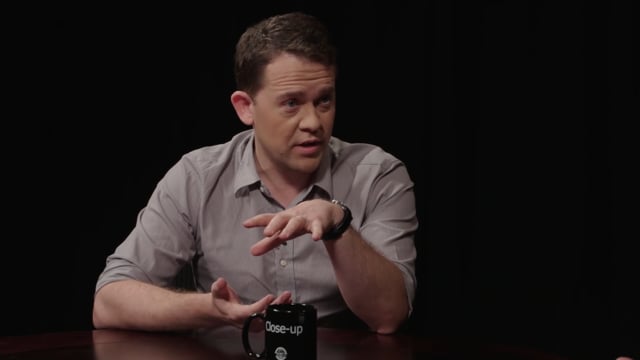 15:47
interview
Adam May, Jim Chabin
Jim Chabin asks Adam about In the Heart of the Sea, and about Pan, Gravity and Edge of Tomorrow before it.
 19:46
interview
Adam May
A FILMCLUB reporter asks Adam how the 3D on Horrid Henry and Jack the Giant Slayer was made.
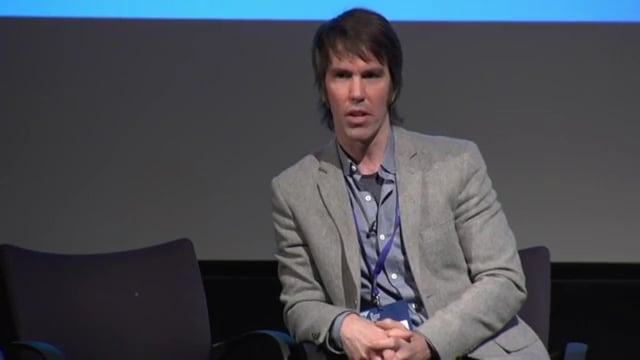 36:34
talk
Chris Parks
At the 3D Creative Summit, Chris takes the Gravity work apart shot by shot.