

Warner Bros · 2019
Fantastic Beasts: The Crimes of Grindelwald

The second Fantastic Beasts film with David Yates: the depth plan from the first film carried forward and used to convey scale, dominance and vulnerability.
What it was
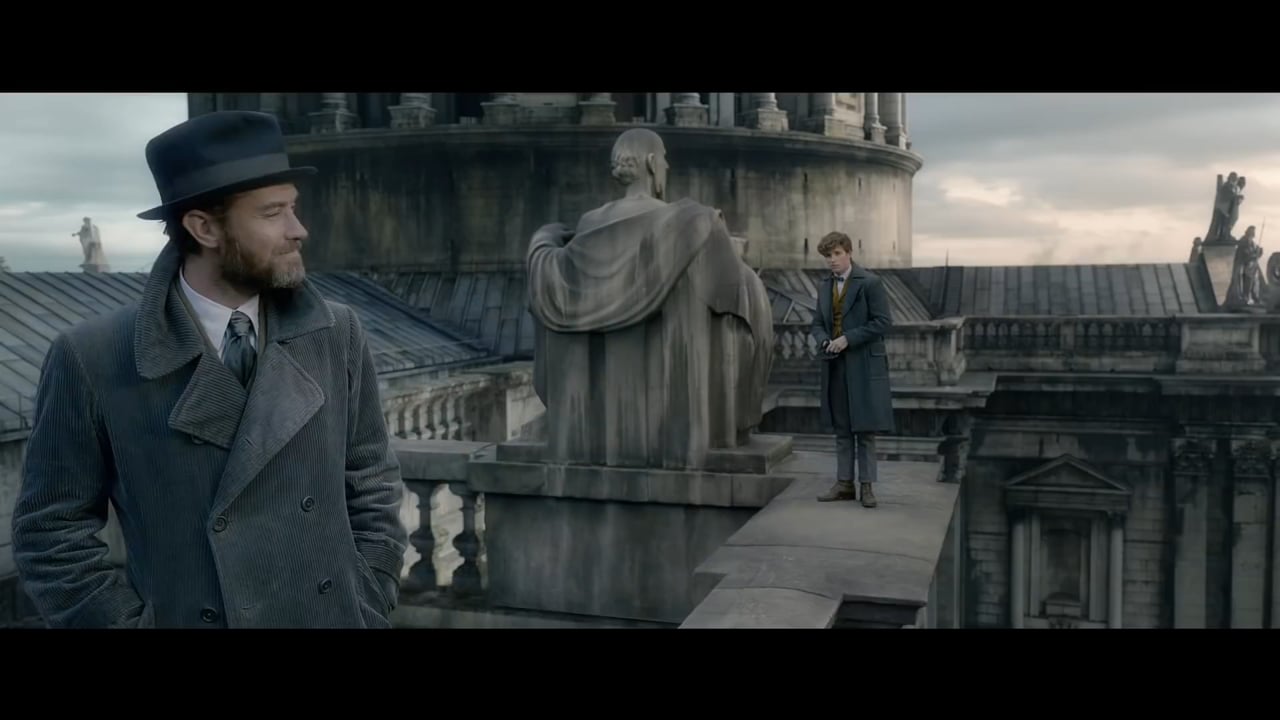
Chris Parks joined David Heyman and David Yates again for the second film. The depth followed the plan laid down with Yates on the first show and went further with it: character scale was plotted across the film so the 3D quietly signposted who held power in a scene, and the locations were given different depth grammar. London is biased towards the foreground to get the most from the performances in the opening scenes. Once the story reaches Paris the depth is pushed back, to make the most of Stuart Craig's sets and the choreographed VFX sequences, and to make the Ministry feel imposing.
Technical approach
A conversion at feature scale: around two thousand shots, each reviewed up to ten times, with as many as five thousand artists on the show and the edit still changing. Every review was in the context of the surrounding cut. Angus Cameron supervised post-stereography; Vision3 supplied the pipeline that kept the film conformed while the notes went back.
In their words
Stills
Related

